Why is the IRS not showing your tax return?
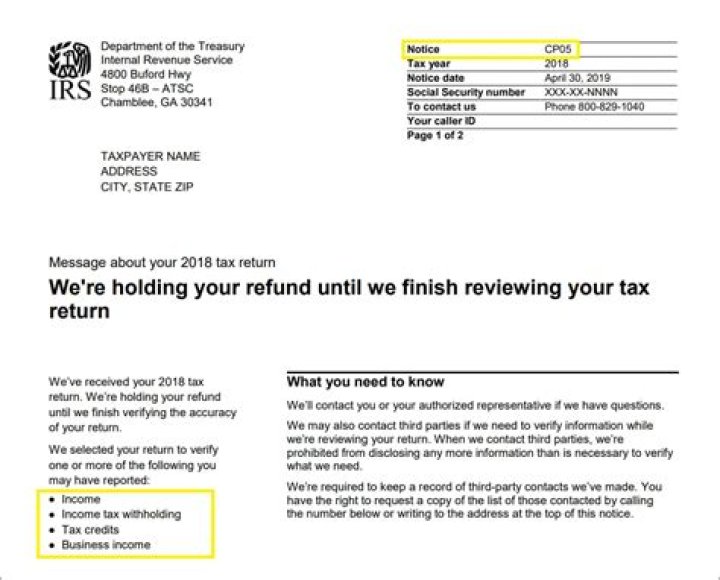
Any tax return that requires hand processing will probably have long delays. Mailed returns were not being processed and there is a huge backlog. Most phone service remains limited. **Disclaimer: This post is for discussion purposes only and is NOT tax advice.
What to do if you haven’t filed your tax return?
If you haven’t filed your federal income tax return for this year or for previous years, you should file your return as soon as possible regardless of your reason for not filing the required return. If you need help, check our website. We have tools and resources available, such as the Interactive Tax Assistant (ITA) and FAQs.
What happens if IRS says you lost your tax return?
Taxpayers who alleged that the IRS lost their tax returns had to allege that the state also lost their returns for the same periods. That basically ended the inquiry into the allegedly missing returns.
Do you have to file a tax return?
If you’re not sure whether you’re required to file a return, visit Do I Need to File a Tax Return or refer to Publication 17, Your Federal Income Tax (For Individuals). If you’re required to file and owe a balance, but you can’t pay all the tax due on your return, the IRS may be able to help you establish a payment agreement.
When do you have to file taxes if you have no income?
you need to file your taxes to claim them in a future year when you do have income. The IRS operates under a statute of limitations when it comes to auditing old tax returns. If you’ve reported your information accurately, in most cases they can only go back three years.
When does the IRS use your prior year AGI?
Your Prior-Year AGI is the Adjusted Gross Income on last year’s 2019, tax return. The IRS uses your prior-year AGI to verify your identity when you efile your 2020 Tax Return.
How often can the IRS come back to audit you?
If you’ve reported your information accurately, in most cases they can only go back three years. However, the clock only starts for a given year when you actually file your tax return. If you don’t file, the IRS can always come back and audit you.
