How do I change my tax withholding from 0 to 1?
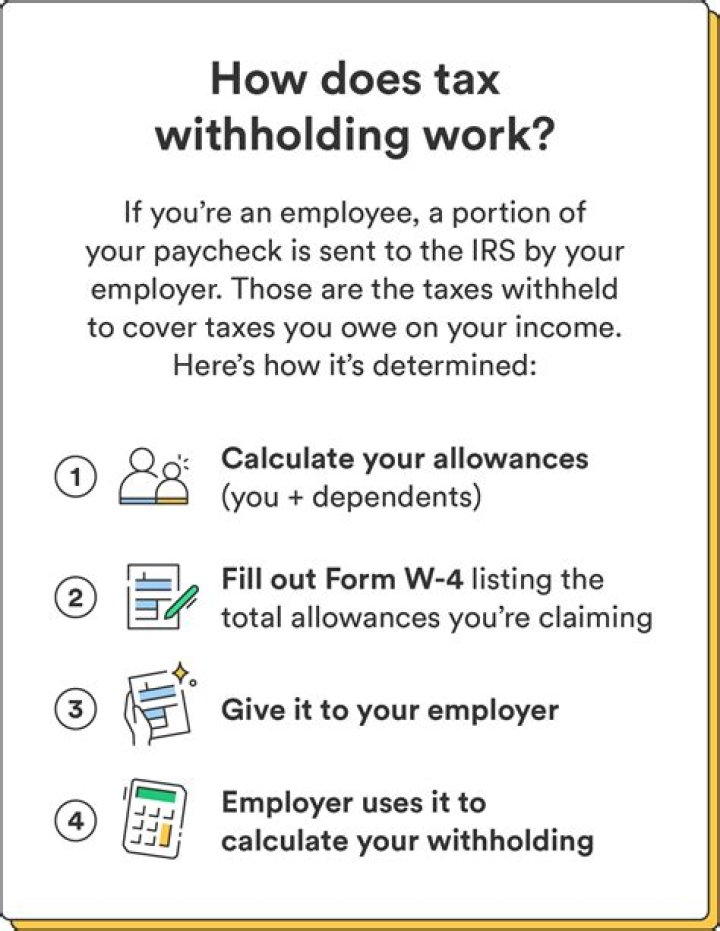
You can adjust your tax withholdings by filling out IRS Form W4 with your employer. The form lets you adjust your income tax withholding by changing the number of exemptions you claim. More exemptions means your employer will withhold less money; fewer exemptions will increase withholding.
When should I change my tax withholding?
When you should adjust your tax withholding
- Your filing status changes – in the event of marriage, divorce or widowhood.
- You have or adopt a child.
- Your child turns 17 in a given tax year.
- You buy a home.
- Your income drops dramatically.
- You take part in the gig economy or get a second job.
- Your spouse gets a new job.
What happens when you change your tax withholding in 2019?
A mid-year withholding change in 2019 may have a different full-year impact in 2020. So, if you do not file a new Form W-4 for 2020, your withholding might be higher or lower than you intend. Also, if you had a major life change, such as marriage, the birth of a child, adoption or bought a home.
When to change the amount of taxes withheld from your paycheck?
When you are working, you can change the amount of tax withheld from your paycheck each year. In retirement, you can do this too. When your tax situation changes, you will want to adjust your tax withholding. For example, your first year of retirement you may have a salary part of the year, and you may have a spouse who is still working.
When to recheck Your Income Tax Withholding for 2020?
If you changed your withholding for 2019, the IRS reminds you to be sure to recheck your withholding at the start of 2020. A mid-year withholding change in 2019 may have a different full-year impact in 2020. So, if you do not file a new Form W-4 for 2020, your withholding might be higher or lower than you intend.
What happens when you claim 0 on your taxes?
Claiming 0 on Your Taxes. When you claim 0 on your taxes, you are having the largest amount withheld from your paycheck for federal taxes. If your goal is to receive a larger tax refund, then it will be your best option to claim 0. Typically, those who opt for 0 want a lump sum to use as they wish like: Pay bills; Go on vacation; Put towards a loan
